 NZ
NZ  AU
AU 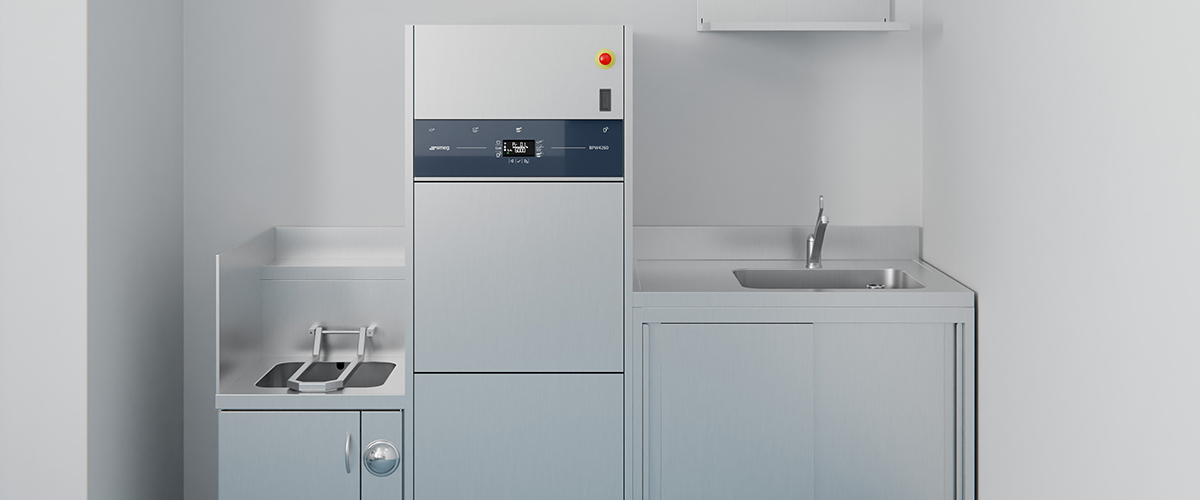
May 4, 2026
Understanding Hospital Ward Washers: What Every Healthcare Facility Needs to Know
Hospital wards generate a constant flow of reusable toileting items such as bed pans, urinals, and commode pots. Ensuring these items are cleaned and disinfected safely is essential for protecting patients, staff, and the broader clinical environment. This is where hospital ward washers – also known as ward washer disinfectors or bed pan washers – play a critical role.
Below, we explore what a ward washer is, how it works, what items it handles, why thermal disinfection matters, and how these machines differ from CSSD washer disinfectors.
What Is a Hospital Ward Washer and How Does It Work?
A hospital ward washer is an automated machine located in ward‑level pan rooms or dirty utility rooms. Its purpose is to clean and thermally disinfect reusable human waste receptacles, ensuring they are safe for reuse.
A typical ward washer operates through these steps:
Loading of contaminated items
Staff place used bed pans, urinals, commode pots, or vomit bowls into the machine. Many washers use docking systems to position the items correctly over internal spray nozzles.
Pre‑rinse or flush
Pressurised water removes visible soil and organic matter.
Detergent wash
Low‑foaming, alkaline detergent is automatically dosed to help break down faecal, urinary, and organic residue.
Thermal disinfection cycle
The washer heats the load to a validated time and temperature – typically achieving ≥80°C – for a set duration to destroy harmful microorganisms.
Rinse and cool‑down
Items are rinsed free of detergent and cooled so they can be handled and returned to the ward safely.
Ward washers are designed for simplicity and reliability, supporting busy clinical workflows where toileting items must be processed quickly and consistently.
What Items Can Be Safely Processed in a Ward Washer?
Ward washers are purpose‑built for reusable toileting items commonly used in acute and aged‑care environments, including:
- Bed pans
- Urinals
- Commode pots
- Bottles
- Vomit bowls
- Some reusable plastic vessels (if approved by manufacturer IFU)
They are not suitable for:
- Surgical instruments
- Medical devices
- Heat‑sensitive equipment
- Single‑use items
- Contaminated linen
Using ward washers only for their intended items ensures both compliance and equipment longevity.
What Does “Thermal Disinfection” Mean in Ward Washers?
Thermal disinfection is the process of using high temperatures for a validated period to reduce microbial contamination to a safe level. In ward washers, this typically means exposing the load to:
- Minimum of 80°C,
- For a validated holding time,
- Achieving a measured log reduction of common pathogens.
Thermal disinfection:
- Destroys bacteria, viruses, and many fungi
- Reduces risk of cross‑contamination
- Does not rely on chemical disinfectants
- Provides consistent, measurable results
This ensures cleaned bed pans and urinals do not introduce pathogens back into the ward environment.
Ward washers directly support infection prevention and patient care by:
Reducing contamination risk
Manual cleaning of bed pans exposes staff to splashes, aerosols, and direct contact with bodily waste. Automated washers minimise this risk.
Standardising cleaning outcomes
Different staff members may achieve inconsistent results with manual cleaning. Automated ward washers deliver validated, repeatable performance.
Supporting clinical workflow
Fast, reliable turnaround keeps wards running smoothly—no waiting for clean receptacles or resorting to unsafe improvisation.
Protecting vulnerable patients
Many patients on hospital wards are immunocompromised. Ensuring toileting items are properly disinfected helps prevent healthcare-associated infections.
Reducing environmental contamination
Dirty utility rooms are high‑risk areas for pathogen spread. Ward washers help contain that risk, reducing contamination of surfaces, air, and adjacent areas.
In short, ward washers are a vital infection‑prevention tool, not just a convenience.
Although both types of machines use heat and water pressure, they are built for completely different purposes.
- Located on the ward (dirty utility/pan room)
- Designed for bed pans, urinals, commode pots
- Focus on faecal/urinary soil removal + thermal disinfection
- Short cycles to support ward workflow
- Simpler operation and fewer accessories
- Not suitable for surgical instruments
- Located in the Central Sterile Services Department
- Designed for surgical instruments, medical devices, and trays
- Use multi‑stage cleaning: ultrasonic action, enzymatic chemistry, high-pressure washing
- Comply with complex standards such as AS 5269:2023 and ISO 15883
- Require strict load configurations and validation
- Support sterilisation as part of a critical device pathway
Using the wrong machine for the wrong items compromises safety, damages equipment, and violates compliance standards.
Hospital ward washers may not receive the attention of surgical sterilisers or CSSD equipment, but they are one of the most important infection prevention tools in any healthcare environment. By ensuring reusable toileting items are properly cleaned and disinfected, they protect both staff and patients, reduce contamination risk, and support efficient ward operations.
Please note:
The above information is ‘general information’ only; follow facility engineering, IPC policy, and manufacturer instructions always.
This blog highlights a broader balance around potential overreach concerning temperatures for thermal disinfection and compliance/non-compliance.

